Stratonicea (Stratonikeia) — an ancient city in Caria near Yatağan

Stratonicea: “The City of Gladiators” in the Carian Hills

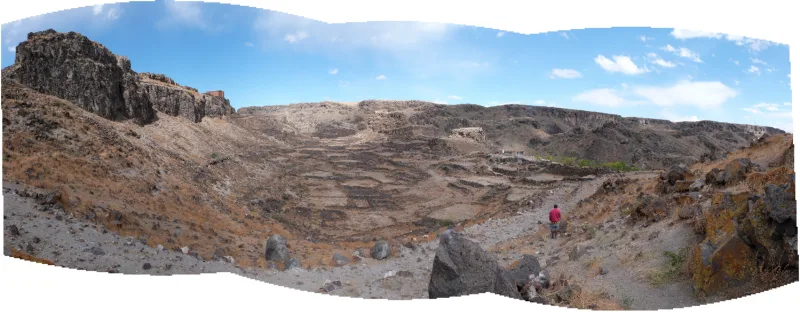
In the valley between Yatağan and Milas, near the modern village of Eskihisar in Muğla Province, lie the extensive ruins of Stratonicea (Turkish: Stratonikeia)—one of the largest and least-visited ancient cities of Caria. This is a unique site: an ancient polis, a medieval settlement, an Ottoman village, and an abandoned 20th-century mining settlement all exist here on the same level. Stratonicea is often called the “city of gladiators” due to the huge number of tombstones found here depicting arena fighters.

History and Origin of Stratonicea

The city was founded by the Seleucid king Antiochus I Soter (reigned 281–261 BCE) and named after his wife, Queen Stratonice. The settlement arose on the site of the older Carian city of Idria (or Chrysaoris) and immediately became the center of the so-called Chrysaoric League—an alliance of Carian cities.

During the Hellenistic period, Stratonicea passed between the Seleucids, Rhodes, and the Attalids of Pergamon, and in 129 BCE, along with the province of Asia, it became part of the Roman Republic. In 40 BCE, the city withstood a siege by the Parthians, who supported Labienus; for this, Emperor Augustus awarded Stratonicea honorary privileges. Under Hadrian, the city received the honorary name Hadrianopolis, although the old name remained in common use.

In 365 CE, a powerful earthquake destroyed a significant portion of the buildings. A small Byzantine church was built on the ruins, which remained in use until the 7th century; the site was later converted into a cemetery. During the Seljuk and Ottoman periods, the village of Eskihisar (“old fortress”) emerged here, which existed until the end of the 20th century. Its residents were resettled due to the development of a coal mine for the neighboring Yatağan Thermal Power Plant; part of the Stratonicea necropolis was destroyed by the mine.

Since 2015, Stratonicea has been included on the UNESCO Tentative List of World Heritage Sites as a unique example of a multi-layered settlement—Carian, Roman, Byzantine, Seljuk, Ottoman, and modern.

Architecture and What to See

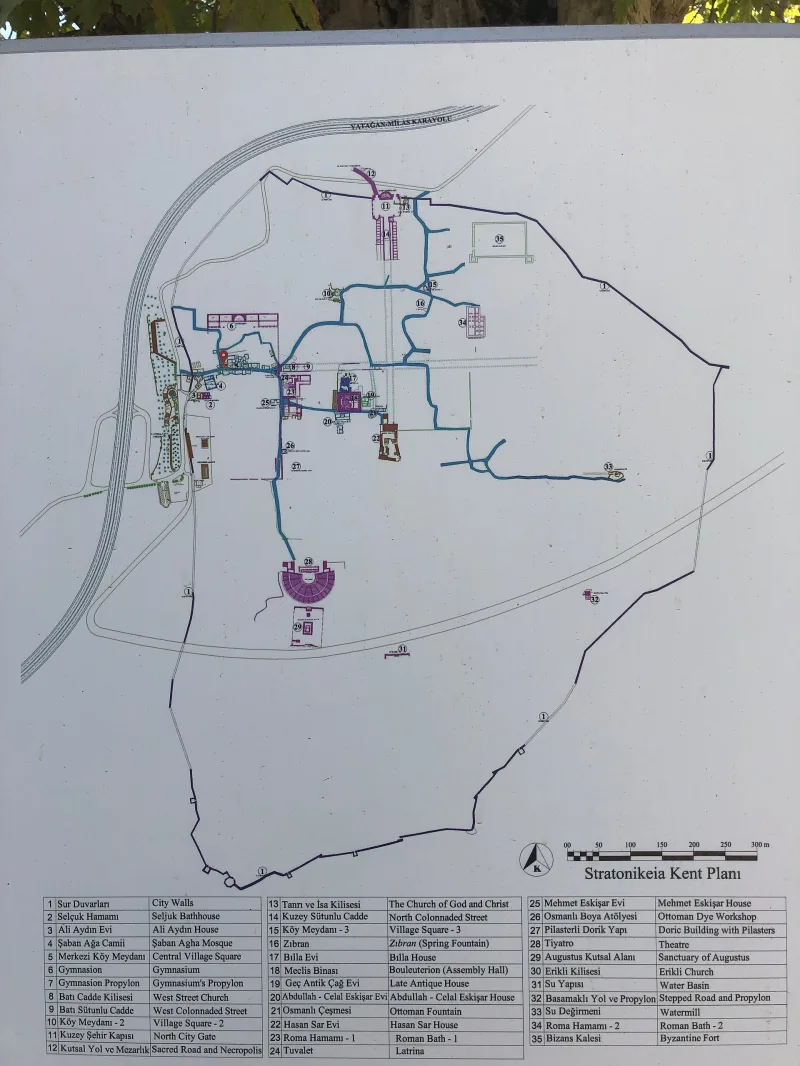
The North Gate and the Colonnaded Street

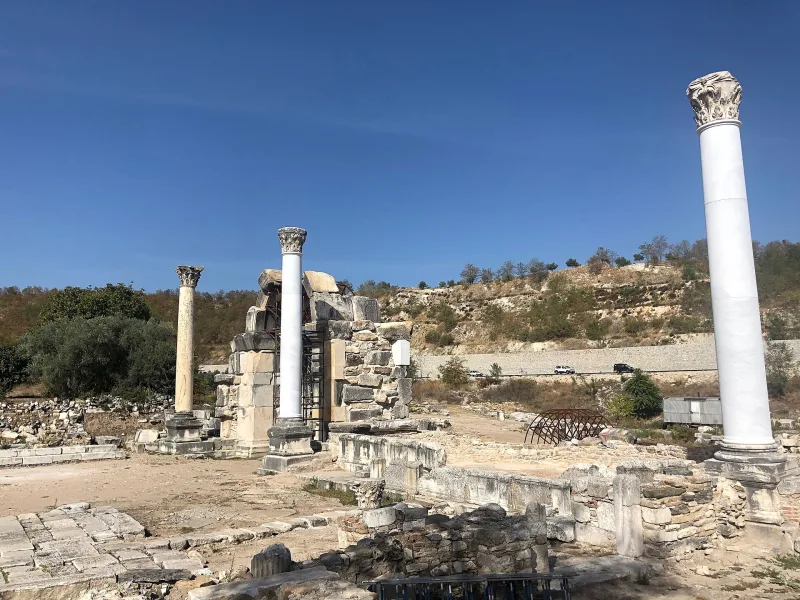
The northern gate, with an adjacent nymphaeum (fountain), served as the main entrance to the city. From the gate begins a paved street with two rows of columns, leading to the center of the ancient city. Today, it is easy to navigate along this street.

Boulevterion

One of the best-preserved bouleuteria in ancient Caria. The rectangular council building, with its stone benches, could accommodate several hundred people. Inscriptions are carved into the interior walls, including fragments of Diocletian’s Edict on Prices from 301 AD, which regulated the cost of goods and services throughout the Roman Empire.

Gymnasium

The massive gymnasium, measuring 105 by 267 meters, is one of the largest in Asia Minor. The foundations, fragments of colonnades, and dedicatory inscriptions have survived. Archaeologists continue to excavate this complex.

Theater

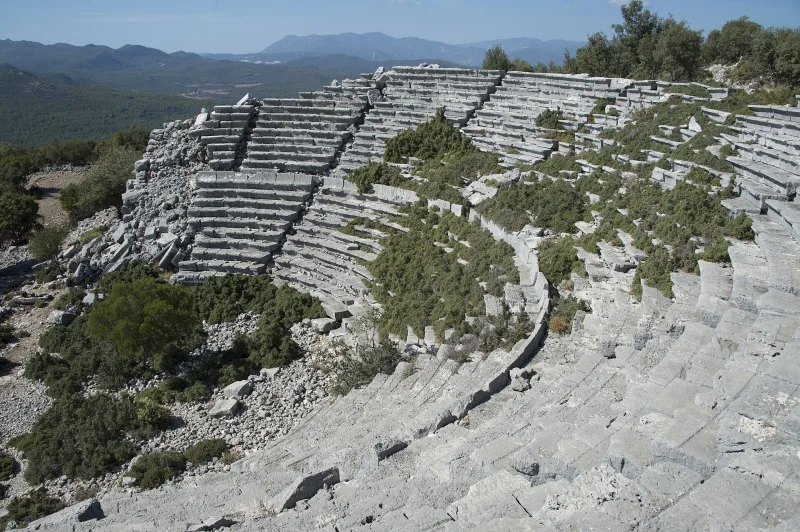
The Hellenistic theater on the hillside could seat about 10,000–12,000 spectators. The cavea is well-preserved; the aisles and part of the stage building are visible. The theater offers a panoramic view of the rest of the city and the valley.

Baths and Agora

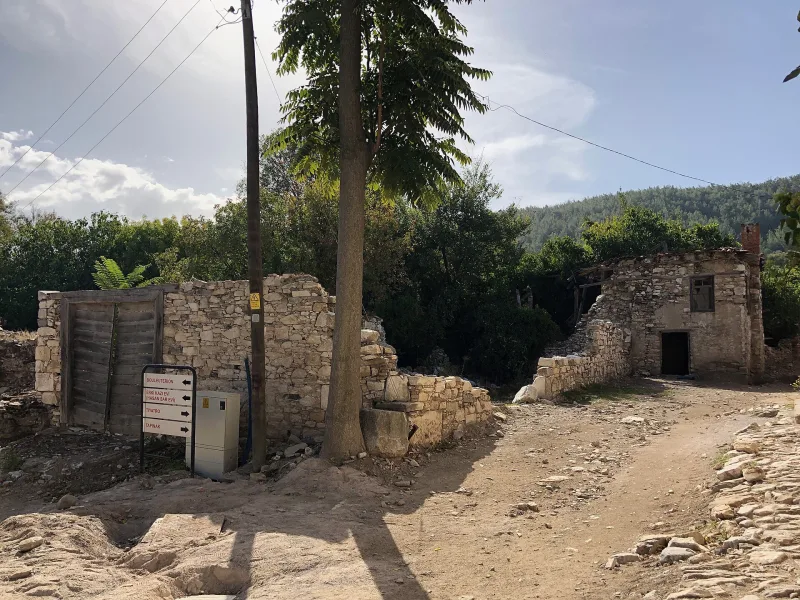
The site features the remains of Roman baths, a public agora with adjacent colonnades, and fragments of temples. Of particular interest are the rural houses from the Ottoman period with carved wooden elements, standing right among the ancient ruins—a vivid demonstration of the site’s layered history.

Interesting Facts and Legends

  • Stratonicea was named after Stratonice—the wife of Antiochus I, who had previously been the wife of his father, Seleucus I. The story of their marriage became a classic ancient tale of passion that even a king could not resist.
  • The bouleuterion at Stratonicea preserves one of the most complete copies of Diocletian’s edict on maximum prices—an invaluable source on the economy of the late Roman Empire.
  • More than 30 tombstones depicting gladiators have been found in the area, which is unusually high for such a city. It is possible that there was a gladiator school in Stratonicea or that regular games were held in the local amphitheater.
  • The village of Eskihisar stood among the ancient ruins for nearly a thousand years; its last residents were relocated only in the 1980s. The Ottoman houses have survived and are now part of a tourist route.
  • Part of the Stratonicea necropolis was destroyed during the expansion of the Yatağan coal mine; this is one of the most tragic episodes of the interaction between heritage and industry in 20th-century Turkey.

How to get there

Stratonicea is located near the village of Eskihisar, approximately 1 km from the D330 highway between Yatağan and Milas, Muğla Province. GPS coordinates: 37°18′47″N 28°03′51″E. The nearest airport is Bodrum (BJV, Milas-Bodrum), about 60 km away. An alternative is Dalaman (DLM), approximately 130 km away.

By car from Bodrum or Marmaris, it takes about an hour on the D330 highway. From Yatağan, local dolmuşes run to Eskihisar; the ride takes 10–15 minutes. The signs on the highway are clear—“Stratonikeia Antik Kenti.”

It’s convenient to combine this visit with a trip to Lagina—the sanctuary of Hecate, the main goddess of Stratonicea (about 8 km to the north)—as well as the towns of Mylasa (Milas) and Labraunda to the west.

Tips for travelers

The best seasons are March–May and October–November. In summer, the Carian Valley is hot and dusty (the proximity to the coal mine makes itself felt on windy days). The site is open in winter, but rain is possible.

Allow at least 2–3 hours: the site is large, and the distances between areas are significant. Wear closed-toe shoes with sturdy soles. Bring water with you—there are no snack bars within the site itself; the nearest ones are in Eskihisar and Yatağan.

Start your tour at the north gate and walk along the colonnaded street to the bouleuterion, then to the gymnasium and the theater. On your way back, stop by the Ottoman houses—they provide a striking contrast to the ancient part of the site.

Stratonicea is a place for those who love archaeology without the crowds. It’s almost always quiet here, so you can spend a long time studying the inscriptions and reflecting on how the same square meter of land has witnessed dozens of different eras. Bring a notebook: there are impressive Greek inscriptions on the blocks that haven’t been photographed everywhere.
Your comfort is important to us, click on the desired marker to create a route.
Meeting for minutes before
Yesterday. 17:48
Frequently asked questions — Stratonicea (Stratonikeia) — an ancient city in Caria near Yatağan Answers to frequently asked questions about Stratonicea (Stratonikeia) — an ancient city in Caria near Yatağan. Information about the service's operation, capabilities, and use.
More than 30 tombstones featuring relief depictions of gladiators have been found in the vicinity of Stratonicea and at its necropolis—an unusually high number for a city of this size. Researchers speculate that a gladiator school may have existed here or that public games were regularly held in the local amphitheater. There is no direct documentary evidence of this yet, but the concentration of such tombstones is unique to Caria.
Not yet. Since 2015, Stratonicea has been included on UNESCO’s tentative list as a unique example of a multi-layered settlement where the Carian, Hellenistic, Roman, Byzantine, Ottoman, and modern periods literally overlap. The site has not yet been granted official status, but its nomination has been deemed worthy of consideration.
Stratonicea was founded around 261 BCE by the Seleucid king Antiochus I Soter on the site of the older Carian settlement of Idria (Chrisaoris). The city was named after Queen Stratonice—the wife of Antiochus, who had previously been the wife of his father, Seleucus I. The story of this marriage is one of the most famous tales of the Hellenistic era.
The Edict on Maximum Prices, issued by Emperor Diocletian in 301 CE, is one of the most comprehensive documents of the late Roman Empire: it regulated the prices of hundreds of goods and services throughout the empire. The bouleuterion at Stratonicea preserves one of the most complete copies of this text, carved directly onto the interior walls of the council building. For economic historians, it is a first-rate source.
In the 20th century, the Yatağan Thermal Power Plant began operations a few kilometers from Stratonicea, requiring a coal mine. As mining operations expanded, part of the city’s ancient necropolis was irrevocably destroyed. This incident is considered one of the most painful examples of the conflict between industrial development and the preservation of cultural heritage in Turkey.
The village of Eskihisar stood amidst ancient ruins for nearly a thousand years—from the Seljuk era until the end of the 20th century. Its residents were relocated in the 1980s due to the expansion of a coal mine. However, the Ottoman-era houses with carved wooden elements have survived and are now included in the Stratonicea tourist route—they offer a vivid glimpse of how people lived literally atop the ancient city.
The Stratonicea Gymnasium is one of the largest in Asia Minor, measuring approximately 105 by 267 meters. Its foundations, fragments of colonnades, and dedicatory inscriptions have survived. Excavations of the complex are ongoing, and each season yields new discoveries. The scale of the structure attests to Stratonicea’s significant cultural and social status during the Hellenistic and Roman periods.
There are no snack bars or shops on the Stratonicea site itself. The nearest places to buy water and food are in the village of Eskihisar and the town of Yatağan. We strongly recommend that you bring a sufficient supply of water with you before your visit, especially during the warmer months.
For the most up-to-date information on admission fees, it is best to check the official website of the Turkish Ministry of Culture and Tourism (ktb.gov.tr) or upon entering the province of Muğla. Many of Turkey’s lesser-known ancient sites charge a nominal fee or offer free admission, but conditions are subject to change.
The Stratonicea site is large and mostly open. The ground is covered with soil, stones, and sections of cobblestone streets. Older children interested in history will find the site fascinating. Elderly and mobility-impaired visitors should note that the terrain is uneven in places, and the theater is located on a hillside. Sturdy, closed-toe shoes with firm soles are required for everyone.
The city flourished during the Hellenistic and Early Roman periods. Under Hadrian (2nd century CE), it was even granted the honorary name Hadrianopolis. The earthquake of 365 CE dealt a severe blow, destroying a significant portion of the city’s structures. Subsequently, a small Byzantine church was built on the ruins, followed by a medieval cemetery, and later the Ottoman village of Eskihisar. The city did not disappear but transformed, which is what makes this place exceptional.
User manual — Stratonicea (Stratonikeia) — an ancient city in Caria near Yatağan Stratonicea (Stratonikeia) — an ancient city in Caria near Yatağan User Guide with a description of the main functions, features, and principles of use.
The best time to visit Stratonicea is March–May and October–November. In the spring, the hills of Caria are covered in greenery, the temperature is pleasant, and there are almost no tourists. Autumn is mild and sunny. In summer, it is hot in the valley between Yatağan and Milas, and the proximity to a coal mine adds dust on windy days. In winter, the site is open, but rain is possible, and the dirt paths get muddy.
The nearest airport is Bodrum (BJV, Milas-Bodrum), about 60 km away. From Bodrum or Marmaris, it’s about an hour’s drive along Highway D330. There are clear signs along the highway for “Stratonikeia Antik Kenti.” If you don’t have a car, you can take a local dolmuş from Yatağan to the village of Eskihisar—the ride takes 10–15 minutes. GPS coordinates for the entrance: 37°18′47″N 28°03′51″E.
Be sure to bring plenty of water with you—there are no snack bars on the grounds. Wear closed-toe shoes with sturdy soles: the terrain is uneven, with lots of rocks and gravel. Sunscreen and a hat are essential during warm weather. If you’re interested in the inscriptions on the blocks, bring a notebook and pen—some of the inscriptions haven’t been digitized and haven’t been photographed everywhere.
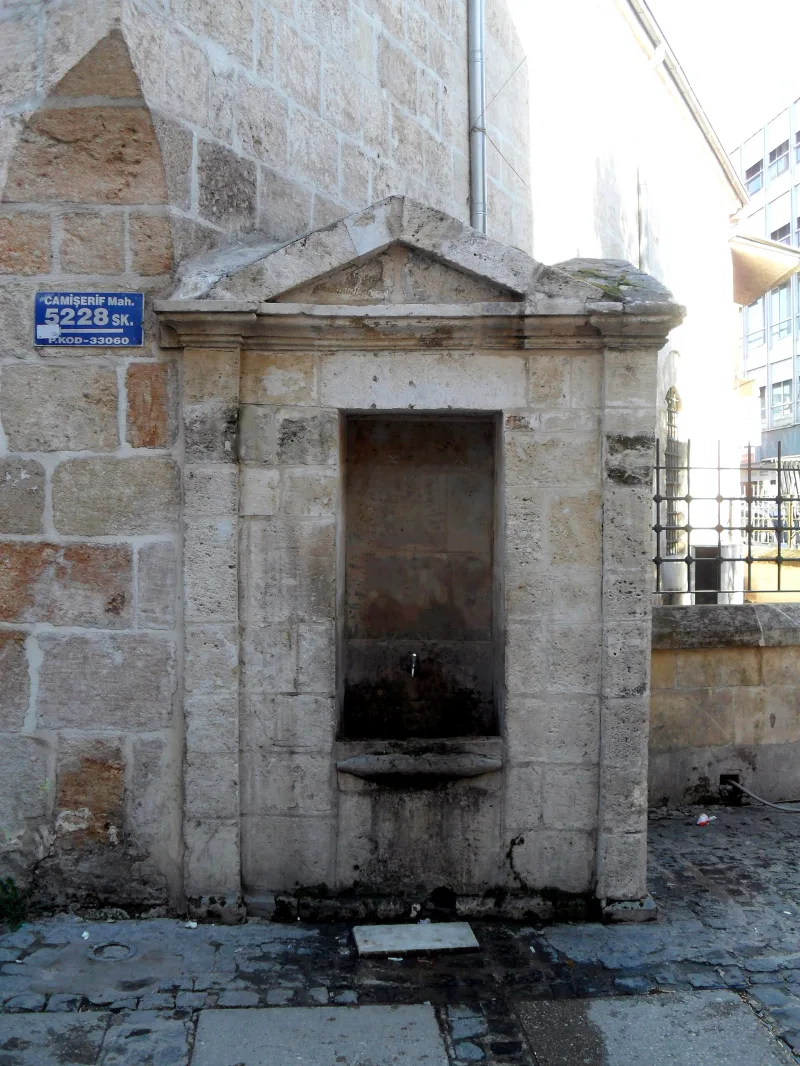
The North Gate, with its adjoining nymphaeum, serves as the main entrance to the ancient city and is a logical starting point for the tour. A paved colonnaded street begins at the gate and leads to the center. Take your time as you walk along it: on both sides, you’ll see fragments of buildings, inscriptions on stones, and traces of different eras.
The Bouleuterion is one of the best-preserved council buildings in Caria. Take note of the inscriptions on the interior walls: among them are fragments of Diocletian’s Edict on Prices from 301 CE. Nearby stands a grand gymnasium measuring 105 × 267 meters. Walk around the perimeter to appreciate its scale: it is one of the largest gymnasiums in Asia Minor.
The Hellenistic theater, which seats 10,000 to 12,000 spectators, is situated on a hillside. The cavea is well-preserved. Once you reach the top, you’ll see a panoramic view of the entire ancient settlement and the valley—this is the best vantage point for getting a sense of Stratonicea’s scale. It’s a good idea to pause here and get your bearings before continuing on.
On your way back from the theater, stop by the well-preserved Ottoman houses in the village of Eskihisar, with their carved wooden details. They stand right amid the ancient ruins—next to fragments of the agora, the stoa, and the baths. This contrast between eras conveys the essence of Stratonicea as a multi-layered monument more vividly than any text could.
If time permits, be sure to include a visit to the Sanctuary of Hecate in Lagina—about 8 km north of Stratonicea. This was Stratonicea’s main religious site in antiquity, and the two sites complement each other perfectly. Also within easy reach are Mylasa (Milas) and the Labraunda sanctuary to the west. All of these can be combined into a single-day itinerary through Caria.